


Sao Paulo

WHAT TO DO
Sao Paulo is the capital city of the state of Sao Paulo, as well as the most populous city in Brazil and South America. It is the largest urban area by population outside Asia and the most populous Portuguese speaking city in the world. The city's name honors Paul the Apostle and people from Sao Paulo are known as paulistanos. Founded in 1554 by Jesuit priests, Sao Paulo is one of the oldest continuously inhabited cities on the American continent. It played a strategic role during the Brazilian colonial period, serving as the center and starting point for the expeditions of the Paulista bandeirantes (pioneers) settlers for the territorial and economic expansion of the country. After Brazil became independent from Portugal in 1822, as declared by Emperor Pedro I where the Monument to the Independence of Brazil is located, he named Sao Paulo as an Imperial City.
The expansion of coffee production was a major factor in the growth of Sao Paulo, as it became the region's chief export crop and yielded substantial revenue. In 1888, the 'Golden Law' (Lei Aurea) was sanctioned by Isabel, Princess Imperial of Brazil, abolishing slavery in Brazil. Until then, slaves had been the main source of labor in the coffee plantations. After abolition and following governmental stimulus towards the increase of immigration, Sao Paulo began to receive a large number of immigrants - largely Italians, Japanese and Portuguese peasants, many of whom settled in the capital. During this period, Sao Paulo went from regional center to national metropolis, becoming industrialized and reaching its first million inhabitants in 1928. At the end of the 20th century and beginning of the 21st century, Sao Paulo became the main financial center in South America and one of the most populous cities in the world. Note: the metropolitan area is currently estimated to be 23 million people and the city center is estimated to be over 12 million.
Yes, Sao Paulo is massive. The skyline sprawls in every direction - a concrete jungle of high rises and highways busy with traffic. Yet, combined with amazing art and architecture, fantastic museums and green spaces, superb cuisine and distinct neighborhoods, it offers a rewarding challenge for the adventurous traveler to create a memorable experience. Begin your journey in the heart of the city on Avenida Paulista. Filled with shops, businesses, cultural institutions and restaurants, it is Sao Paulo's main thoroughfare. Towering skyscrapers populate this street - many of which boast some interesting architecture. Strolling along the avenue is a great way to take in the sights and sounds of Sao Paulo and it makes for a convenient jumping off point to see some of the city's top sights, including the Museu de Arte de Sao Paulo, Parque Trianon, Casa das Rosas and Japan House. Note: every Sunday the street is closed to traffic and features vendors, live music and plenty of people watching.
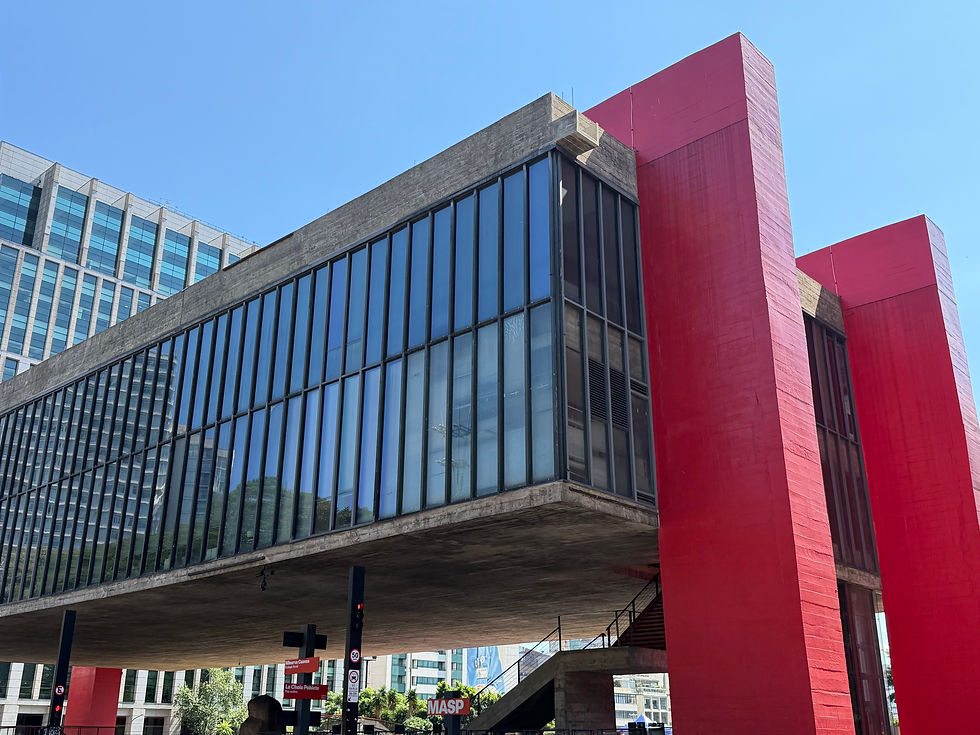
The main draw on Avenida Paulista is the outstanding Museu de Arte de Sao Paulo or MASP (Sao Paulo Museum of Art). The pride of Sao Paulo, this museum possesses Latin America’s most comprehensive collection of Western art. Hovering above a concrete plaza that turns into an antiques fair on Sunday, the museum, designed by architect Lina Bo Bardi and completed in 1968, is considered a classic of modernism. The collection ranges from Goya to El Greco to Manet - the impressionist collection is particularly noteworthy. There are also a few great Brazilian paintings, including three fine works by Candido Portinari. A unique display, the permanent collection is housed in glass panels wedged in concrete bases, therefore you are able to see the information on the back of each painting. Note: the museum is closed on Monday. Nearby is Parque Tenente Siqueira Campos, popularly know as Parque Trianon. This tranquil park is so lush, you can easily forget you're in the middle of a bustling metropolis.
Casa das Rosas, also known as House of Roses, is a historic French style mansion located on Avenida Paulista. Built in 1935 by renowned architect Ramos de Azevedo for one of his daughters, this elegant home boasts gardens inspired by the Palace of Versailles. Despite being surrounded by modern skyscrapers, it has retained its charm and historical significance. Across the street is Japan House - you can't miss the stunning facade of this Avenida Paulista newcomer. Its sliding vertical plank entrance sits in stark contrast to the surrounding concrete and steel, under the nose of a massive mural by local street artist Kobra, depicting Brazilian architect Oscar Niemeyer on the building behind. A Japanese government initiative, this contemporary art, gastronomy and technology cultural center houses stunning temporary exhibitions, a cafe and a top notch sushi restaurant.
Next, head to the Museu de Arte Contemporanea or MAC (Museum of Contemporary Art). This fine museum is housed in a building that was designed by the previously mentioned architect, Oscar Niemeyer. It holds what is arguably the country’s best collection of Brazilian art since 1960. It includes an extensive sculpture collection, paintings, prints and photographs. Be sure to check out the rooftop for flabbergasting panoramic views of just a small portion of the city. Note: the museum cafe has excellent coffee and sweet treats. From there, take the pedestrian bridge over the freeway to the enormous Parque Ibirapuera. Sao Paulo's most expansive green space is a much loved urban oasis for paulistanos. In addition to being an obvious focal point for recreation, fitness and picnics, this 500 acre park is also a thriving cultural hub that's home to several worthwhile museums and architecturally significant buildings.
Take some time to relax as you wander past more Niemeyer buildings, including the Auditorio Ibirapuera and the super cool Oca do Ibirapuera exhibition space. At the time of this writing, the Museu de Arte Moderna or MAM (Museum of Modern Art) was temporarily closed - it is scheduled to reopen in August 2026. Another impressive Niemeyer design within the park is the fascinating Museu Afro Brasil. This institution is the world's largest museum dedicated to the African diaspora in Brazil. Its extensive collection of over 6000 artifacts and works of art covers more than five centuries of cultural exchange between Africa and the Americas. Curated by scholar and artist Emanoel Araujo, it offers a deep dive into Brazil's history with a focus on its African heritage. Just outside the park is the colossal Monumento as Bandeiras. This large scale granite sculpture by the Italian Brazilian sculptor Victor Brecheret was commissioned by the government of Sao Paulo in 1921 and completed in 1954. It commemorates the 17th century bandeiras, or settling expeditions into the interior of Brazil and the bandeirantes that participated in them.
The Catedral Metropolitana da Se de Sao Paulo (Cathedral of Sao Paulo) is a breathtaking neo Gothic masterpiece that dominates the skyline of Sao Paulo's downtown historic center. Constructed in the early 20th century, this monumental cathedral can accommodate up to 8000 worshippers and visitors alike. Its stunning architecture features soaring spires and a Renaissance style dome, making it an iconic landmark on Praca da Se or Cathedral Square. Inside, you'll be mesmerized by exquisite stained glass windows sourced from France and Italy, which cast vibrant colors throughout the vast interior. Not far away is the glorious Mosteiro de Sao Bento (Monastery of Saint Benedict). Among the city’s oldest and most important churches, it dates to 1598 and features gorgeous stained glass, an on site bakery and Mass that includes Gregorian chanting. Despite its austere exterior, the interior is adorned with rich paintings and 17th century statues of Saint Benedict carved by Agostinho de Jesus.
Also in the historic center is the Theatro Municipal de Sao Paulo. The city's most splendid construction, this theater was begun in 1903 in the style of Paris’ Palais Garnier. Its heavily ornamented facade seems to combine every architectural style imaginable, from baroque to art nouveau and its interior is clad in gold and marble. It hosts operas, concerts and ballet performances. Note: free tours in English run twice daily Wednesday to Friday at 11a and 5p. Liberdade, also known as Sao Paulo's Japantown, is a vibrant neighborhood near the historic center that boasts the largest Japanese community outside of Japan. The area is adorned with lanterns and features an array of dining options including sushi bars, ramen shops and yakitori stalls.
One of my favorite experiences in town was visiting the lively Mercado Municipal. Opened in 1933, this covered market is a belle epoque confection of stained glass and a series of vast domes. Inside, a fabulous urban market specializing in all things edible - rare fruits, vegetables, fish, meat, cheese and more. Wandering the various stalls here, sampling as you go and taking in the sights and sounds of everyday paulistanos moving and shaking, is one of Sao Paulo's great joys. There are 3 must visit locations inside the market: Bar do Mane, Hocca Bar and the colorful Emporio das Frutas. Bar do Mane is famous for its giant mortadella sandwich. It features a massive pile of hot, grilled mortadella and melted provolone on a toasted roll. It is crispy, salty, delicious and best paired with an ice cold beer. Hocca Bar is known for its yummy pastel de bacalhau (salt cod pastry) and Emporio das Frutas has the most amazing exotic fruits I have ever seen. Some of the local goodies I sampled were jabuticaba (grape like berry growing on tree trunks), cupuacu (creamy, tart relative of cacao), caju (cashew fruit) and pequi (yellow, pungent fruit).
The Pinacoteca de Sao Paulo (picture gallery) stands as a testament to Brazil's rich artistic heritage, making it one of the country's oldest and most significant art museums. Nestled in a stunning neoclassical brick structure originally designed for the School of Arts and Crafts, this visual arts museum showcases an impressive collection that ranges from 19th century Brazilian paintings and sculptures to contemporary works. Its history is intertwined with various historical events, including conflicts in the early 20th century, which adds depth to its narrative. Note: the museum is closed on Tuesday. Across the street is Luz Station, a grand Victorian train station constructed in 1901. It is not just a transportation hub but also an architectural marvel and a significant landmark in Sao Paulo. This historic station showcases intricate art nouveau design elements, a magnificent structure and an ornate facade that reflects the city's rich cultural and historical influences from the early 20th century.
My favorite neighborhood in Sao Paulo is the hilly Vila Madalena. Also known as Vila, it is a bohemian community renowned for its independent fashion boutiques, relaxed cafes and modern art galleries. The area is adorned with vibrant street art, particularly in the famous Beco do Batman alley, which has transformed into an outdoor gallery showcasing colorful stencils and murals. Laid back bistros and bars attract a trendy crowd while live music clubs feature jazz, soul and samba performances. Batman's Alley boasts the highest concentration of colorful graffiti art in the city, featuring various styles from renowned Brazilian artists like Eduardo Kobra and Os Gemeos (identical twin brothers Gustavo and Otavio Pandolfo). Note: stroll along Rua Harmonia and be sure to stop in at Coffee Lab (Rua Aspicuelta 227) for a dynamite cup of Grandma's Milk - vanilla cream served with spices and accompanied by an espresso.
Soccer (football) is the most popular sport in Brazil, profoundly shaping national identity with over seventy percent of people identifying as fans. Known as o Pais do Futebol (the country of football), Brazil is the only nation to compete in every World Cup, winning a record five titles. It is a national passion deeply ingrained in daily culture. The top football clubs in Sao Paulo, known as part of the 'Big Four' in the state, are Palmeiras, Corinthians, Sao Paulo FC and Santos FC. If you are unable to attend a match, the next best thing is to visit the Museu do Futebol (Football Museum). Tucked under the bleachers of colorfully art deco Estadio Pacaembu, this fantastic museum is devoted to Brazil’s greatest infatuation. It stands out as the only museum in the world exclusively dedicated to football, independent of any specific club. The museum features a multimedia collection, interactive exhibits and references to significant moments in Brazilian history during the 20th century. Note: the museum is closed on Monday.
Conclude your tour of Sao Paulo by wandering the leafy streets of the Jardins neighborhood. This upscale area is known for its high end fashion boutiques, top tier restaurants and luxury hotels. It is highly walkable and considered one of the city's most elegant districts. Rua Oscar Freire is the main thoroughfare and is often referred to as the Madison Avenue of Sao Paulo. Wherever I travel in this wonderful world I always seek out a place for chocolate. In Sao Paulo, that place is Dengo Chocolates, located at Avenida Brigadeiro Faria Lima 196 in the trendy Pinheiros neighborhood. What is amazing about this particular location is that it's not just a chocolate shop, it is a chocolate factory. Fabrica de Dengo is a four story experience center that features an open production line for customized chocolate bars, a cafe, a restaurant and a shop showcasing their sustainably sourced, Brazilian cocoa products - and you do not need a golden ticket to enter (valeu Laura).
WHERE TO EAT
Sao Paulo has several excellent places to eat and have a drink. Start your day at Dois Tropicos, located at Rua Mateus Grou 589 in Pinheiros. This stylish cafe is also a botanical store and yoga studio, making it an ideal spot to relax amidst the greenery and asanas. The decor is very zen with a minimalist style using natural materials. I enjoyed a tremendous matcha latte with a slice of homemade banana bread. Also wonderful is Le Petit Nicolas Cafe & Patisserie, found at Alameda Lorena 1198 in Jardins. This delightful spot captures the essence of French culinary charm. It features three distinct areas: a patisserie, bistro and boulangerie. The patisserie stands out as the ideal choice for morning meals, serving up classic French breakfasts complete with fresh bread, juice, fruit and exquisite tarts.
For lunch, head to Bar do Biu at Rua Cardeal Arcoverde 772 in Pinheiros. If you're in the mood for a true taste of Northeastern Brazilian cuisine, look no further than this local favorite. Don't miss its famous rendition of feijoada (a rich, slow cooked stew made with black beans, pork and beef). Recognized as the nation's premier comfort food, this delicious dish is traditionally prepared with smoked pork ribs, sausage, bacon and dried beef - typically served with white rice, garlicky collard greens, orange slices and toasted cassava flour (farofa). Pair it with the perfect caipirinha and you will be in heaven. The caipirinha is Brazil's national cocktail - a refreshing mix of cachaca (sugarcane spirit), sugar and lime, usually served over crushed ice. Note: the restaurant is only open for lunch. Another solid choice for traditional feijoada is Bolinha, located at Avenida Cidade Jardim 53 in Jardins. In business since 1946, this popular establishment is open daily from 11a.
A must visit is the much loved and always packed A Casa do Porco or House of Pig, found at Rua Araujo 124 in Republica. This lively place with a creative style offers snacks and gourmet dishes that focus on pork. Chef Jefferson Rueda's innovative take on this classic ingredient elevates pork to an art form, with whimsical creations like pork sushi and roasted pork belly with cassava showcasing his boundless creativity. I highly recommend going with the 8 course tasting menu, which includes the house classic free range pork sausage. Note: book in advance or come early to snag a seat by the counter.
An additional spot that draws crowds is Mocoto, located north of the city center at Avenida Nossa Senhora do Loreto 1100 in Vila Medeiros. This vibrant culinary gem beautifully marries traditional Northeastern cuisine with contemporary flair. Established in 1973 by Jose de Almeida and now helmed by his son, chef Rodrigo Oliveira, the restaurant has evolved while honoring its roots. The menu features delightful dishes such as oxtail cooked in black beer served with creamy corn grits, canasta cheese and watercress. Note: make a reservation well in advance.
Mani can be found at Rua Joaquim Antunes 210 in Jardins. Led by award winning chef Helena Rizzo, this attractive venue has garnered widespread acclaim in Latin American gastronomy and secured a place on the prestigious Latin America's 50 Best Restaurants list. Choose a table on the calming, tucked away courtyard and order a la carte or the tasting menu paired with natural wines. Menu highlights include jabuticaba (Brazilian grapetree) cold soup with cachaca steamed crayfish, pickled cauliflower and amburana nuts and chef’s stylish version of moqueca fish stew. Note: the restaurant is closed on Monday.
Located near Parque Ibirapuera at Rua Jacques Felix 405 is Kinoshita. Under the supervision of renowned connoisseur Tsuyoshi Murakami, this modern restaurant has won numerous awards for its masterful Japanese cooking using kappo techniques - an interactive method emphasizing a wide repertoire of skills including grilling, frying and steaming. The menu is a blend of daring and traditional dishes with international influences such as foie gras accompanying Kobe beef hamburgers or truffles enlivening salmon roe and shellfish.
For more Japanese delights, make your way to Izakaya Issa at Rua Barao de Iguape 89 in Liberdade. This lively izakaya, which means watering hole or tavern, offers an inviting atmosphere where you can savor a delightful array of traditional snacks alongside refreshing drinks like sake and beer. Note: the restaurant is closed on Wednesday. If you desire ramen, head up the road to Lamen Aska at Rua Barao de Iguape 260. This traditional Japanese eatery is known for its open kitchen and focus on serving delicious ramen and dumplings. Note: the restaurant is always bustling, with long lines forming even before opening time. Another solid spot for yummy noodles and flavorful broths in Liberdade is Lamen Kazu, located at Rua Thomaz Gonzaga 87. Despite often having long lines, you can place your order while waiting to expedite the service. Note: the restaurant is closed on Monday.
For dinner, try Tordesilhas at Alameda Tiete 489 in Jardins. This cozy establishment showcases the diversity of Brazil’s regions such as Minas Gerais and Bahia - with many dishes prepared atop wood stoves in a nod to traditional culinary techniques. Menu highlights include the tangy and numbing tacaca, an Amazonian broth prepared with wild cassava, jambu, tapioca and dried shrimp. Wash it all down with something from the wide ranging cachaca menu. Note: the restaurant is closed on Monday. Not far away in Jardins at Rua Artur Frazao 37 is Goya Zushi. Opened in 2022 by chef Uilian Goya, this sleek space offers an omakase service with a set menu of 15 courses including sushi, aged sashimi, usuzukuri, temaki and hot dishes like aguemono and kamameshi. Note: the restaurant is closed on Sunday and Monday.
The excellent Jun Sakamoto can be found at Rua Lisboa 55 in Pinheiros. Chef Jun Sakamoto's namesake restaurant is so faithful a rendition of a classic omakase destination, from the unmarked entrance to the open sushi counters and polished wood surfaces, that you may well think you've been transported to Tokyo. But no, this is very much Sao Paulo, with the region's spectacular seafood showcased in style. Seating only 35 guests, diners are invited to dine a la carte and only 8 at each sitting can indulge in the house's omakase selection. Note: the restaurant is closed on Sunday.
One of the most celebrated institutions in the city is DOM, located at Rua Barao de Capanema 549 in Jardins. Known for its haute cuisine created by world famous chef Alex Atala, this spacious restaurant offers innovative dishes that revive traditional recipes with unique and exotic ingredients - including the legendary ants. Swing open the massive, towering front door and step into the high ceilinged dining room to find out why DOM has been a regular in the top 5 of Latin America’s 50 Best Restaurants list for years. It currently holds 2 Michelin stars. Note: reservations are a must.
Evvai is at Rua Joaquim Antunes 108 in Pinheiros. At this stylish destination, chef Luiz Filipe Souza delivers avant garde takes on upscale Italian dishes while paying tribute to migrant food culture. Splash out with the elegant 13 course 'Oriundi' tasting menu with wine pairing to be wowed by the kitchen's masterful interpretations of pasta. Prepare to be surprised by sourdough with seven types of butter, foie gras lollipops, melt in your mouth Grana Padano ravioli and a dessert centered around Brazilian honey paired with local cheeses. Note: reservations are essential at this 2 Michelin starred restaurant.
My most memorable dining experience in Sao Paulo was at Tuju, located at Rua Frei Galvao 135 in Jardins. Housed in a contemporary three story building, this exceptional establishment stands out with its seamless blend of inventive cuisine and phenomenal service. The airy, modern space - with decor blending natural materials and lush gardens - enhances the experience, elevating hospitality across three distinct areas: a bar on the ground floor, the main dining room on the second floor and a terrace for post dinner moments with lots of delectable chocolates. Led by chef Ivan Ralston, Tuju's 10 course tasting menu is strictly seasonal, changing every three months so that every ingredient is used when at its peak. Dishes such as crab with cod and carrot, tomato with algae and watermelon, and lamb with taro and sheep yogurt allow the ingredients to truly shine. Note: Tuju won Best Restaurant in Brazil for 2025 and it also currently holds 2 Michelin stars.
End your evening in Sao Paulo with a drink or two. Tan Tan is located at Rua Fradique Coutinho 153 in Pinheiros. Half bar - half restaurant, this buzzing spot effortlessly blurs the lines to serve up both smart cocktails and delicious Asian dishes. The space is framed by a plush inviting sofa, although those after a more casual experience might prefer to take a seat streetside. The cocktail list's narrative, invented by head barman Caio Carvalhaes, is updated annually. Order the Dirty Collins and its wink towards Brazil made with white cachaca, tequila, olive and lime. If you're hungry, go with the fried chicken wings and homemade sweet chili sauce. Note: the bar is closed on Monday.
Bar do Cofre is a hidden gem that can be found at Rua Joao Bricola 24 in Centro Historico (historic center). Set within the vault of one of the city’s most historic banks, this subterranean speakeasy is among the top watering holes in town. Signature cocktails include Ordem e Prosecco - a play on the phrase ‘Order and Progress’ from Brazil’s national flag - with cachaca, spumante, calvados, grapefruit and lime. Note: the bar is closed on Monday. Another popular place is Alcova Bar, located at Rua Traipu 495 in Pacaembu. This compact basement space, tucked away in an old building, does excellent small plates and dynamite drinks. It is the gastronomic and alcoholic territory of chef Luis Felipe Lago and barkeep Takeshi Ohashy. I destroyed a SP Sour with white cachaca and fried kabocha squash with vatapa. Note: the bar is closed on Monday and Tuesday.
The Punch Bar is located just off Avenida Paulista at Rua Manuel da Nobrega 76. This cozy, reservation only establishment with a limited number of seats, maintains an intimate atmosphere. Furthermore, its Japanese style adds to its unique charm. The mixologists are highly skilled and offer impeccable craftsmanship in creating stunning cocktails made with excellent ingredients. Barman Ryu set me up with the Black Ship (Japanese whisky and shochu). Note: the bar is closed on Sunday.
Finish up at Santana Bar, found at Rua Joaquim Antunes 1026 in Pinheiros. This townhouse turned bar has been presenting exceptional adult beverages since it opened not too long ago, quickly becoming a destination for cocktail enthusiasts. Created by bartender Gabriel Santana, the drinks list takes its classics seriously, with an encyclopedic selection impeccably crafted by Gabriel and his team. These are contrasted by a small collection of creative signature drinks. Among the most talked about, from the Intocaveis (untouchable) section, is the Moringa. This expertly combines Ketel One vodka, guava liqueur and a guava skin cordial. Note: the bar is closed on Tuesday.

WHERE TO STAY
Sao Paulo offers a number of places to call home during your stay and there are 2 that I especially enjoyed. Both are in prime locations and provide exceptional service, modern amenities and comfort. The first is Rosewood Sao Paulo, located at Rua Itapeva 435 in Bela Vista. Set amongst tree lined avenues, this magnificent hotel in a landmark building has interiors by designer Philippe Starck. It's a short walk from Avenida Paulista and the Sao Paulo Museum of Art (MASP). Elegant rooms have smart TVs, coffee machines and free WiFi, as well as guitars and mixology kits. Upgraded quarters add seating areas and butler service. Amenities include a sophisticated lobby lounge, 2 stylish restaurants and a jazz bar, as well as lush gardens, 2 outdoor pools and a wellness complex.
A second option is Hotel Fasano, located at Rua Vitorio Fasano 88 in Jardins. On a quiet tree lined street, this hip hotel in a modern high rise is close to the upscale boutique shops on Rua Oscar Freire and is also a short drive from Beco do Batman in Vila Madalena. Featuring vintage furnishings, the sleek rooms have complimentary WiFi, flat screen TVs and iPhone docks. All include minibars, desks, Murano glass vases and Persian rugs. Upgrades add living rooms with high end stereos. Other perks include 2 refined Italian restaurants and a swanky piano bar, as well as a spa and an indoor pool.
Sao Paulo is spectacular with its dynamic culture, iconic architecture, magnificent art and superb cuisine. It treated me well and I look forward to returning. Until next time, obrigado Sampa.

Comments